Tax Planning HoustonWhat the locator actually showed.
A rate is only useful if you know which office published it. On this page the rates are the ones in Texas and in Houston that we have actually read, with the day we read them.
Check a rate.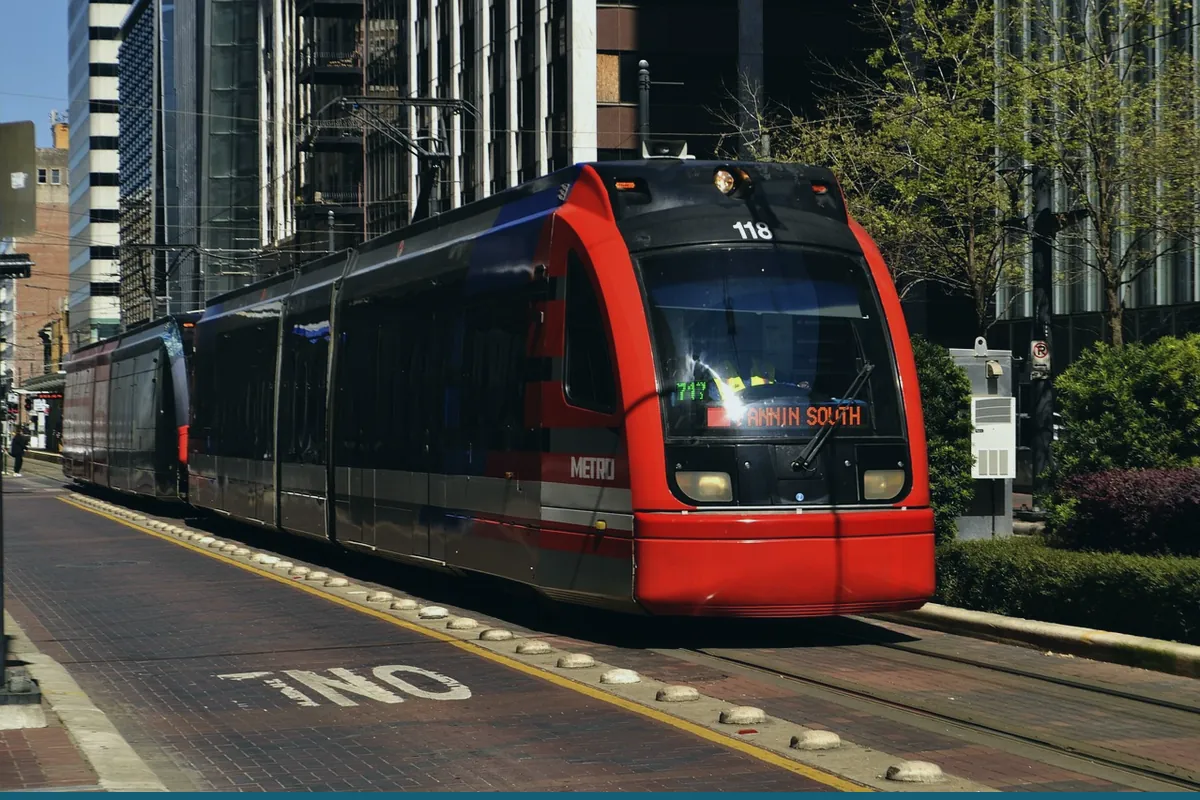
Read Sales tax in Houston
Sales tax in Houston.
The Comptroller's sales tax rate locator, read for a downtown Houston address on 28 September 2026, showed a state piece of 6.25 percent, a city piece of 1 percent under local code 2101017, and a transit piece of 1 percent under Houston MTA code 3101990. The total on that page was 8.25 percent.
The rate file date on that reading was 1 July 2026, and the locator said the figure was good for the quarter then in effect. Harris County leaves the county slot empty, so the local pieces are the city and METRO. If you sell somewhere else, the locator has to be read again for that address. This paragraph is not a statewide promise.
We print the code and the day because a rate without either one is a rumor. When the locator changes, this paragraph changes. We do not defend an old number because it was once true.
Read The train and the one percent
The train and the one percent.
METRO's transit sales tax has been 1 percent since 1 October 1978, and it covers Houston plus member cities such as Bellaire, Humble, Katy, Missouri City, and West University Place. Every Texan who has waited for that red train has helped pay that slice, whether they think about it or not. We know the platform from the rate, not from standing on it.
The wink back to the books is the return you file for sales tax. The state piece and the local piece are not one blob. A close that buries both inside sales will not match the return the Comptroller already has.
Read Franchise tax, not sales tax
Franchise tax, not sales tax.
A receipt does not collect franchise tax. That bill is a report, not a register line. Nothing is collected at the register. For the 2026 and 2027 reports the Comptroller's no-tax-due threshold is 2.65 million. Goods businesses, retail and wholesale, are charged 0.375 percent. The rest are charged 0.75 percent. That report has to reach the Comptroller on 15 May.
A late report can draw a penalty of fifty dollars. The more expensive mistake is filing the report from a year that was never closed, then amending it when the bank is finally reconciled.
Those franchise figures come from the Comptroller's franchise pages, which is also where the sales tax locator lives. We do not blend those two taxes into one percentage to make a slide look simple.
Read What this page will not invent
What this page will not invent.
The state hotel occupancy tax is 6 percent. A city hotel tax is a separate ordinance. This page does not print a city hotel figure, because we have not put a city ordinance date next to it, and a blank is more honest than a guess.
We also do not print a penalty, a threshold, or a rate from memory. A missing number means the source page was not open when the sentence was written.
Your own rate can differ by address, by what you sell, and by whether a local district applies. The locator is the authority. We will read it with you for the addresses you actually use.
Why a rate needs a source
Rates need a named source.
A plan that uses a rate has to be able to point at the page the rate came from. Otherwise the plan is a mood with a percent sign drawn on it.
If you collect sales tax, the closed month should already show the tax apart from the sale. The return is then a copy of something you have seen, not a surprise.
Ask us to read a rate.
Name the address city and what you sell. The locator gets opened on the call for the city you name. Do not send a street number on this form.

You will be talking to the Steven Palmieri practice.